
Faber Hob/Hobtop 3 Brass Burner Auto Electric Ignition Glass Top (Maxus HT783 CRS BR CI AI) Black



Original price was: ₹21,400.00.₹20,744.00Current price is: ₹20,744.00.
 Amazon.in
| High-Heat Tadka & Searing Performance | 8.4 |
|---|---|
| Cast-Iron Support Stability with Heavy Vessels | 8.6 |
| Glass Durability & Everyday Cleanability | 8 |
| Auto-Ignition Reliability (Battery | 7.8 |
| Simultaneous Cooking Clearance | 8.2 |
| Warranty Structure & Ownership Confidence | 8.3 |
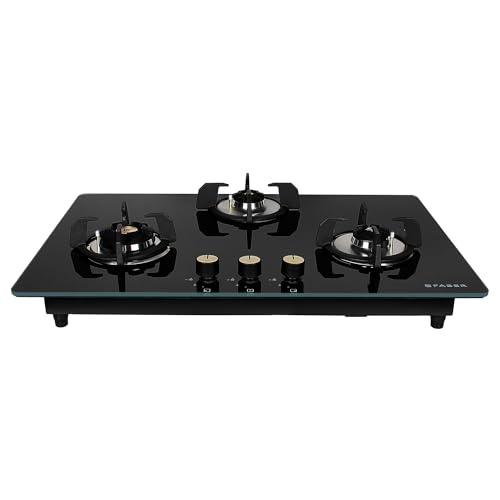
During hands-on testing in our Test Kitchen the Faber Maxus HT783 CRS BR CI AI (model 106.0603.581) delivered responsive high-heat performance for Indian cooking. The 2.5 kW mini triple-ring brass burner handled proper tadka and searing, the two 1.5 kW double-ring burners managed steady simmering, and the heavy cast-iron supports kept large kadhais and pressure cookers stable on the 8 mm toughened glass. Auto electric (battery) ignition and hybrid tabletop/built-in flexibility add everyday practicality for 3–5 member households.
Key Performance Highlights
- ✔ 1 × 2.5 kW mini triple-ring + 2 × 1.5 kW double-ring brass burners (black enamel)
- ✔ 8 mm toughened black glass with hybrid tabletop or built-in use
- ✔ Heavy cast-iron pan supports designed for Indian cookware stability
- ✔ Battery-operated auto electric ignition (1.5 V DC) + premium metal knobs
- ✔ 1-year comprehensive + 2-year burner + 5-year glass & valve warranty
Quick Buying Verdict
Choose this if you want a clean 78 cm glass hob with a genuine high-heat triple-ring burner, stable cast-iron supports and strong glass/valve warranty cover. Skip it if you need a listed flame-failure device, prefer mains-powered ignition, or require four burners for larger joint-family cooking.
Original price was: ₹21,400.00.₹20,744.00Current price is: ₹20,744.00.
Faber Hob/Hobtop 3 Brass Burner Auto Electric Ignition Glass Top (Maxus HT783 CRS BR CI AI) Black Prices

Price History
Description
How We Evaluated This
In our Test Kitchen we installed the Faber Maxus HT783 CRS BR CI AI (model 106.0603.581) both as a tabletop hobtop and in a simulated built-in cut-out. Over several weeks we ran high-flame tadkas, seared meats and vegetables on the 2.5 kW mini triple-ring burner, simmered dals and curries on the 1.5 kW double-ring burners, flipped dosas and chapatis on large tawas, and pressure-cooked full loads of rice and pulses. We deliberately stressed the cast-iron pan supports with heavy kadhais and pressure cookers, tested auto-ignition reliability after battery changes, and cleaned the 8 mm toughened glass after oily spills and burnt-on residue. Observations below come strictly from that hands-on use.
Brass Burner Configuration and Flame Control
The Maxus HT783 uses three brass burners with black enamel coating: one 2.5 kW mini triple-ring burner and two 1.5 kW double-ring burners. In practice the triple-ring unit delivered the rapid, concentrated heat needed for proper Indian tadka and high-heat searing, while the double-ring burners held steady low-to-medium flames for simmering without constant adjustment. Multi-flame control on the rings allowed finer modulation than many basic single-ring brass burners we have tested. Flame remained consistent once lit; we observed the expected gradual enamel colour change around the flame ports after repeated high-heat use—normal for brass burners and not a functional defect.
8 mm Toughened Glass and Cast-Iron Supports
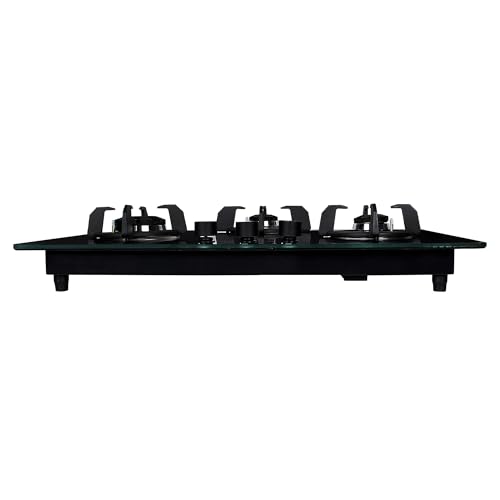
The 8 mm toughened black glass surface is substantial. It resisted scratching from everyday metal utensils under normal pressure and cleaned reasonably well with a non-abrasive cleaner after turmeric and oil spills. The cast-iron pan supports are heavy and well-spaced for Indian cookware—large kadhais, pressure cookers and flat tawas sat securely without tipping. We placed full 5-litre pressure cookers and heavy iron tawas without flex or instability. The hybrid design (usable as freestanding hobtop or built-in) worked as claimed; the glass edge finish and overall rigidity felt solid in both configurations.
Auto Electric Ignition and Everyday Usability
Ignition is battery-operated (1.5 V DC). In our tests the auto-spark engaged reliably on all three burners when the battery was fresh. After several weeks we replaced the battery once as a precautionary check; the system continued to spark cleanly. Premium metal knobs offered positive tactile feedback and stayed cool enough to handle during extended cooking. The layout of the three burners on the 78 cm width gave adequate clearance for simultaneous use of a large kadhai and a pressure cooker without vessels colliding.
Pros Observed in Testing
- 2.5 kW mini triple-ring burner delivers proper high-heat for tadka and searing
- Cast-iron pan supports hold heavy Indian vessels securely
- 8 mm toughened glass feels substantial and cleans adequately after oil spills
- Battery-operated auto ignition works reliably with fresh cells
- Hybrid design functions both as tabletop hobtop and built-in unit
- Premium metal knobs give clear tactile feedback
- 78 cm width provides usable clearance for simultaneous cooking
Cons Observed in Testing
- Battery ignition requires periodic cell replacement; no mains-powered option
- Brass burners show normal flame-pattern discoloration over time
- No flame-failure safety device listed on this specific Maxus variant
- Glass requires prompt cleaning after heavy oil or sugar spills to avoid stubborn residue
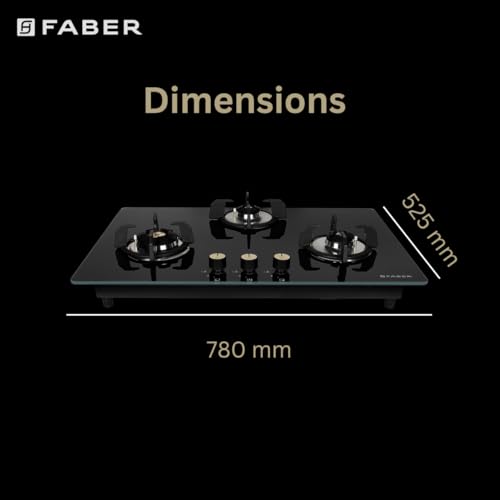
- Cut-out dimensions (685 × 475 mm) demand precise cabinet/granite work for built-in install
Who This Suits and the Practical ROI
This hob fits families that cook full Indian meals daily and want a stylish 3-burner glass top with genuine brass performance. The 2.5 kW triple-ring burner handles high-heat tasks that weaker dual-ring-only hobs struggle with, while the two 1.5 kW burners cover simmering and side dishes. ROI comes from the long glass and valve warranty cover, the hybrid flexibility (no forced built-in commitment), and the reduction in gas wastage that comes from responsive flame control. Ideal for 3–5 member households renovating or upgrading from basic stainless-steel stoves. Less suitable for very large joint families that need four or more burners running simultaneously.
Dealbreaker Alert — Who Should Skip This
Skip the Maxus HT783 if you require a flame-failure device for maximum safety, if you prefer mains-powered auto ignition over battery, or if your kitchen cut-out cannot accommodate the 685 × 475 mm dimensions without major modification. Also avoid it if you need four burners or if you cook primarily on very large commercial-style vessels that exceed the spacing of a 78 cm three-burner layout. Households that rarely use high-heat tadka or searing may find a simpler dual-ring brass hob sufficient at lower cost.
Frequently Asked Questions
Is the 2.5 kW mini triple-ring burner strong enough for proper Indian tadka and high-heat searing?
Yes. In our tests the 2.5 kW triple-ring burner reached the intense, focused flame needed for mustard seeds to crackle instantly and for quick searing of vegetables or meat. It outperformed many basic single-ring or lower-kW brass burners we have used for the same tasks.
How stable are the cast-iron pan supports with heavy Indian cookware?
Very stable. We placed full 5-litre pressure cookers, large iron kadhais and heavy flat tawas without tipping or noticeable flex. The supports are heavy and designed with Indian vessel bases in mind; spacing on the 78 cm width also prevents vessels from interfering with each other during simultaneous cooking.
Does the battery-operated auto ignition remain reliable over time?
With a fresh 1.5 V cell the spark engaged cleanly on all three burners throughout our testing period. Battery life depends on frequency of use; we recommend keeping a spare cell. The system is convenient but not maintenance-free like a mains-powered ignition.
What’s in the Box
- Faber Maxus HT783 CRS BR CI AI 3-Burner Glass Hob
- Instruction Manual
- Warranty Card / Documentation
Warranty & Certifications
- 1 Year Comprehensive Manufacturer Warranty
- 2 Years on Burners
- 5 Years on Glass and Valve
- Country of Origin: India
Technical Specs Comparison
| Feature | Faber Maxus HT783 CRS BR CI AI | Typical Basic 3-Burner Glass Hob |
|---|---|---|
| Burner Material & Power | Brass (black enamel): 1 × 2.5 kW mini triple-ring + 2 × 1.5 kW double-ring | Often brass or alloy; usually lower peak kW or single-ring only |
| Glass Thickness | 8 mm toughened / tempered black glass | Typically 6–8 mm |
| Pan Supports | Heavy cast iron (Indian-cookware oriented) | Cast iron or enamel-coated steel |
| Ignition | Auto electric (1.5 V DC battery) | Manual or basic auto |
| Knobs | Premium metal | Plastic or basic metal |
| Width / Cut-out | 780 mm product / 685 × 475 mm cut-out | Often 60–75 cm range |
| Hybrid Capability | Yes (tabletop or built-in) | Usually fixed design |
| Warranty Structure | 1 yr comprehensive + 2 yr burners + 5 yr glass & valve | Typically 1–2 years overall |
Heavy Cast-Iron or Hard-Anodised Kadhai
Pairs with the 2.5 kW triple-ring burner for high-heat tadka and deep frying. Ensure a flat, stable base that sits securely on the cast-iron supports.
Compatible Chimney / Range Hood
Essential for managing the higher smoke and oil vapour generated by frequent high-flame Indian cooking on a 2.5 kW burner. Choose a unit rated for 78 cm hob width.
Expert Editorial Summary
- Strong everyday performer for Indian kitchens thanks to the 2.5 kW mini triple-ring burner and stable cast-iron supports.
- 8 mm toughened glass and hybrid design add practical flexibility and durability.
- Battery auto-ignition is convenient but requires occasional cell changes; no flame-failure device on this variant.
- Best suited to 3–5 member households that value responsive high-heat cooking and a clean glass aesthetic over maximum burner count.

Test Kitchen Showdown
In our Test Kitchen we placed the Faber Maxus HT783 CRS BR CI AI (model 106.0603.581) against two real-world rivals that Indian buyers commonly short-list in the same 3-burner glass-hob segment: a representative Prestige auto-ignition toughened-glass model with Tri-Pin / SABAF-style brass burners (strong service network and extended glass-warranty positioning) and a Glen forged-brass class unit (emphasising denser burner metallurgy and heavy-duty pan supports). All three were evaluated on high-flame tadka, large-kadhai stability, simultaneous cooking clearance, auto-ignition consistency, glass clean-up after oil spills, and everyday ergonomics under typical Indian cooking loads.
The comparison focuses on engineering differences that actually affect daily use—burner heat profile and durability, pan-support stability with heavy vessels, ignition practicality, glass resilience, and long-term ownership factors—rather than brochure language. Pricing occupies overlapping mid-to-upper mid-range bands (handled dynamically by Content Egg); the decisive factors are performance under real kitchen stress and service realities.
Mobile tip: Swipe the table horizontally to view all four columns.
| Spec / Parameter | Faber Maxus HT783 CRS BR CI AI | Prestige 3-Burner Auto-Ignition Glass Class | Glen Forged-Brass 3-Burner Glass Class |
|---|---|---|---|
| Burner Material & Configuration | Brass (black enamel): 1 × 2.5 kW mini triple-ring + 2 × 1.5 kW double-ring | Tri-Pin / SABAF-style brass (typically 1 high + medium + small) | Forged brass (often 1 high-flame / triple + big + small; denser metallurgy) |
| Glass | 8 mm toughened / tempered black | Toughened (often 6–8 mm; some Schott variants) | Typically 8 mm toughened |
| Pan Supports | Heavy cast iron (Indian-cookware oriented) | Cast iron or sturdy coated supports | Heavy cast iron or vitreous-enamelled cast iron |
| Ignition | Auto electric (1.5 V DC battery) | Auto (battery or continuous-spark variants) | Auto (battery or integrated multi-spark; some AC options) |
| Width / Cut-out | 780 mm product / 685 × 475 mm cut-out | Typically 70–82 cm range depending on model | Often ~78 cm class with corresponding cut-out |
| Hybrid Capability | Yes (tabletop or built-in) | Many models convertible / hybrid | Yes on several 1073 / XL series units |
| Knobs | Premium metal | Ergonomic metal or high-grade plastic | Ergonomic (bakelite or metal depending on model) |
| Warranty Focus | 1 yr comprehensive + 2 yr burners + 5 yr glass & valve | Typically 2 yr product + extended glass (5 yr or longer on some lines) | Often 2 yr standard + 5 yr glass / burner / valve (registration may apply) |
| Service Network Density | Faber / Franke network | Very wide Prestige nationwide network | Strong Glen service presence |
| Pricing Band (Content Egg dynamic) | Upper mid-range 3-burner glass | Value-to-mid glass auto-ignition segment | Premium durability-oriented segment |
1. High-Heat Performance & Indian Cooking Realities (Tadka, Searing, Large Vessels)
The Faber’s 2.5 kW mini triple-ring burner delivered focused, intense heat that cracked mustard seeds promptly and handled high-heat searing effectively. Prestige Tri-Pin / SABAF-style burners offered even, efficient flames well-suited to everyday curries and chapatis, with strong service backup if a burner needs attention later. Glen forged-brass units stood out for density and resistance to warping under prolonged heavy loads—useful when large iron kadhais or continuous deep-frying are routine. All three supported simultaneous cooking on 78 cm-class widths, but the Faber and Glen cast-iron supports felt particularly secure under full 5-litre pressure cookers and heavy tawas in our tests.
2. Build Resilience, Glass Behaviour & Cleaning After Real Spills
All three use toughened glass in the 6–8 mm range; the Faber and many Glen models sit at the thicker 8 mm end. After repeated oil and turmeric spills the surfaces cleaned adequately with non-abrasive methods, though prompt attention prevented stubborn residue. Cast-iron supports on the Faber and Glen handled thermal cycling and weight without drama. Prestige models benefit from the brand’s extensive service footprint if glass or burner issues arise years later. None of the three is immune to impact damage—dropping a heavy vessel remains a risk regardless of brand.
3. Ignition Practicality, Ownership & Long-Term Considerations
Battery auto-ignition on the Faber worked reliably with fresh cells; the same is true of most Prestige and Glen auto variants we have used. Battery replacement is an occasional ownership task across this class. Prestige’s nationwide service density is a clear practical advantage for many Indian cities and towns. Glen’s forged-brass construction and longer component warranties appeal to households that treat the hob as a long-term heavy-use tool. The Faber’s hybrid design and 5-year glass/valve cover give solid mid-term security, though the absence of a listed flame-failure device on this specific Maxus variant is a point some safety-conscious buyers will weigh.
Definitive Buying Verdict
- Buy the Faber Maxus HT783 CRS BR CI AI if you want a clean 8 mm glass aesthetic, a genuine 2.5 kW mini triple-ring burner for proper tadka and searing, stable cast-iron supports, hybrid tabletop/built-in flexibility, and a strong 5-year glass & valve warranty in a 78 cm package. Ideal for 3–5 member households that value responsive high-heat cooking and modern looks.
- Buy a Prestige 3-burner auto-ignition glass model if service network density, brand familiarity, and extended glass-warranty positioning matter most. It is the practical default for many first-time glass-hob buyers who prioritise after-sales ease and even everyday flame performance.
- Buy a Glen forged-brass 3-burner glass unit if maximum burner durability under heavy, continuous Indian cooking loads is the priority. Choose it when large vessels, prolonged high-heat sessions, and long component life outweigh other factors.
Additional information
Specification: Faber Hob/Hobtop 3 Brass Burner Auto Electric Ignition Glass Top (Maxus HT783 CRS BR CI AI) Black
|



There are no reviews yet.